The Hidden Signs of Gum Disease in Kids Most Parents Miss
Dr. Mark Tavakoli
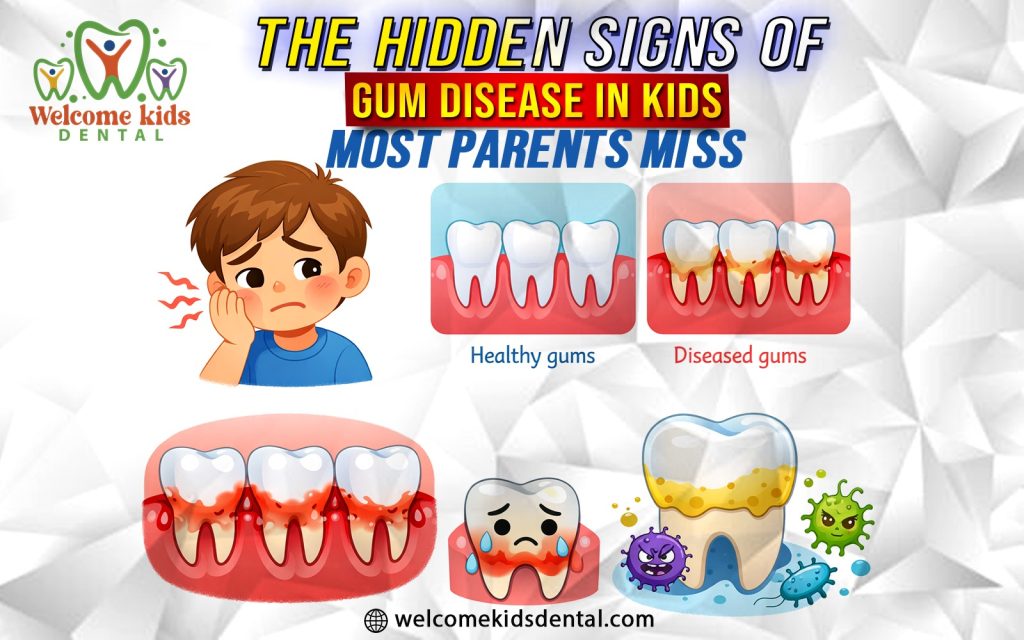
When parents think about dental problems in children, cavities are usually the first concern. But there’s another issue that often goes unnoticed, gum disease. Many parents assume gum problems only affect adults, but children can develop early-stage gum disease too, often without obvious symptoms. In fact, gum health is just as important as tooth health, especially during the early years when habits are still forming.
The challenge is that gum disease doesn’t always show clear warning signs in the beginning. It can develop quietly, with subtle changes that are easy to overlook during daily brushing routines. A little redness, slight swelling, or occasional bleeding may not seem serious at first, but these can be early indicators of a bigger issue developing beneath the surface. By the time more noticeable symptoms appear, the condition may have already progressed.
Another reason gum disease is often missed is that children don’t always communicate discomfort clearly. They may avoid brushing certain areas, eat differently, or simply not mention mild irritation. These small behavioral changes can easily go unnoticed if parents aren’t aware of what to look for.
Understanding the hidden signs of gum disease can help parents take early action and protect their child’s oral health. With the right awareness, regular dental visits, and consistent home care, gum issues can be identified early and managed effectively, long before they become serious problems.
What Is Gum Disease in Children?
Gum disease in children usually begins as gingivitis, a mild and reversible condition caused by plaque buildup along the gumline. Plaque is a sticky layer of bacteria that forms on teeth when proper oral hygiene is not maintained consistently. It develops throughout the day, especially after eating, and if it isn’t removed regularly, it can start affecting both the teeth and the surrounding gums.
When plaque is not removed through brushing and flossing, it begins to irritate the gums. Over time, this irritation leads to inflammation, redness, and sensitivity. At this early stage, children may not feel significant pain, which is why the condition can go unnoticed. However, if left untreated, gingivitis can gradually worsen and affect deeper gum tissues.
Healthy gums should appear pink, firm, and should not bleed during brushing or flossing. In contrast, early gum disease may cause gums to look red, swollen, or slightly puffy. Some children may also experience mild tenderness or notice a small amount of bleeding while brushing. These changes are often subtle, which is why they can be easily missed during daily routines. It’s also important to understand that children may not always recognize or communicate these symptoms clearly. They might brush more gently to avoid discomfort or skip certain areas altogether, which can further worsen plaque buildup.
Children are just as susceptible to gum problems as adults, especially if their brushing habits are inconsistent or if plaque buildup is not addressed regularly. Factors like diet, sugary snacks, and lack of routine dental care can increase the risk. This is why pediatric preventive dentistry focuses not only on protecting teeth from cavities but also on maintaining healthy gums from an early age, helping prevent small issues from turning into more serious concerns.
The Hidden Signs of Gum Disease Parents Often Miss
One of the biggest challenges with gum disease is that its early signs are often mild and easy to ignore. Many parents may not recognize these symptoms as warning signs because they don’t always cause pain or obvious discomfort. In many cases, these small changes are the body’s way of signaling that something isn’t right, even if the child doesn’t complain.
- Bleeding gums during brushing or flossing
Occasional bleeding may seem harmless, but it is often one of the first signs of gum inflammation. Healthy gums should not bleed easily, even with regular brushing. If bleeding happens frequently, it usually indicates plaque buildup along the gumline that needs attention. - Red or swollen gums
Gums that appear darker than usual, puffy, or slightly irritated may be reacting to bacterial buildup. This inflammation is an early sign that the gums are under stress and may develop into a bigger issue if not addressed. - Persistent bad breath
Bad breath that doesn’t improve with brushing can be caused by bacteria trapped between teeth and along the gums. This is often overlooked, but it can be a clear indicator of early gum problems. - Gum recession or uneven gum lines
If the gums start pulling away from the teeth or look uneven, it may signal underlying gum issues. Even slight changes in how the gums sit around the teeth should not be ignored. - Sensitivity or discomfort while eating
Children may not always say “my gums hurt,” but they might avoid certain foods, chew on one side, or show hesitation while eating. These subtle changes can point to gum sensitivity. - Changes in brushing habits
If a child suddenly resists brushing, rushes through it, or complains that brushing feels uncomfortable, it may be due to irritation in the gums. This can lead to a cycle where poor brushing worsens the condition.
What makes these signs tricky is that they often appear gradually and may not seem serious on their own. However, when combined, they can indicate the early stages of gum disease. Recognizing these small changes early allows parents to take action before the condition progresses into something more serious, helping protect their child’s overall oral health.
What Causes Gum Disease in Kids?
Gum disease in children is usually caused by a combination of factors, many of which are linked to everyday habits and routines. While it may seem like a sudden problem, it typically develops gradually when small issues are left unaddressed over time. Understanding these causes can help parents take simple but effective steps to prevent gum problems before they begin.
- Plaque buildup from inconsistent brushing
When brushing is rushed, skipped, or not done thoroughly, plaque begins to accumulate along the gumline. This sticky layer of bacteria irritates the gums and is one of the main causes of gingivitis. Children may miss areas while brushing, especially near the back teeth or along the gums, allowing plaque to build up unnoticed. - Diet and sugar intake
Frequent consumption of sugary snacks, juices, and processed foods increases bacterial activity in the mouth. These bacteria feed on sugar and produce acids that contribute to plaque formation. Snacking throughout the day without proper cleaning can make the problem worse by giving bacteria constant fuel. - Lack of regular dental visits
Without routine checkups and Children’s dental cleaning in Oakland, plaque can harden into tartar (calculus), which cannot be removed with brushing alone. Tartar buildup creates a rough surface that allows more bacteria to stick, increasing the risk of gum inflammation and infection. - Mouth breathing
Children who breathe through their mouth, especially during sleep, may experience dryness in the gums. Saliva plays an important role in protecting the mouth, so reduced moisture can make gums more prone to irritation, inflammation, and bacterial growth. - Crowded or misaligned teeth
Teeth that are crowded, overlapping, or not properly aligned can create tight spaces that are difficult to clean. Food particles and plaque can easily get trapped in these areas, increasing the likelihood of gum problems if not addressed properly. - Poor flossing habits
Many children skip flossing or do it incorrectly, which leaves plaque between teeth untouched. These areas are highly prone to gum inflammation because toothbrushes alone cannot clean them effectively.
Understanding these causes helps parents recognize that gum disease is often preventable. By encouraging consistent brushing and flossing, maintaining a balanced diet, and scheduling regular dental visits, families can take proactive steps to protect their child’s gums and overall oral health.
When Should Parents Be Concerned?
Not every sign of gum irritation requires immediate concern, but persistent or recurring symptoms should never be ignored. In many cases, early gum disease (gingivitis) can be reversed with simple improvements in oral care. However, if these early signs are left untreated, the condition can progress and begin to affect deeper gum tissues, making treatment more complex.
Parents should consider scheduling a dental visit if they notice:
- Frequent bleeding during brushing
If your child’s gums bleed regularly, it’s a strong indication that the gums are inflamed and need attention. This is one of the earliest and most common warning signs. - Ongoing bad breath
Persistent bad breath, even after brushing, may be caused by bacteria along the gumline and should not be overlooked. - Swollen or tender gums
Gums that appear puffy, red, or sensitive to touch are often reacting to plaque buildup and may worsen without proper care. - Complaints of discomfort while eating
Children may not always clearly describe gum pain, but they might avoid certain foods, chew differently, or mention mild discomfort.
It’s also important to pay attention to subtle behavioral changes. If your child suddenly becomes reluctant to brush or floss, or rushes through their routine, it may be due to gum sensitivity or irritation. Ignoring these signs can lead to more serious issues, including infections, gum recession, or damage to the structures that support the teeth. In some cases, untreated oral problems can weaken teeth over time, increasing the risk of fractures or complications that may require care from a Broken tooth kids dentis Oakland.
Early intervention is always easier, more effective, and more comfortable than treating advanced problems. A timely dental visit can quickly address the issue and help restore your child’s gum health before it progresses further.
How Preventive Care Helps Avoid Gum Disease
Preventive care is the most effective way to protect children from gum disease. Regular dental visits allow dentists to monitor oral health and address small issues before they become serious. Routine cleanings help remove plaque buildup and support Cavity prevention for children, while also protecting gum health. Fluoride treatments strengthen teeth, and good hygiene habits keep bacteria under control.
Parents play a key role by encouraging consistent brushing, flossing, and healthy eating habits. These daily practices, combined with professional care, create a strong foundation for oral health. Preventive care also helps children feel more comfortable with dental visits, supporting Dental anxiety treatment for kids by making appointments familiar and stress-free.
How Welcome Kids Dental Helps Detect and Prevent Gum Disease Early
When it comes to your child’s oral health, having the right dental team makes a significant difference. Welcome Kids Dental focuses on early detection and gentle care to ensure that gum issues are identified before they become serious. The practice emphasizes a child-friendly approach, creating an environment where kids feel comfortable and supported. This helps reduce fear and encourages positive dental experiences.
Regular checkups and cleanings allow the dental team to monitor gum health closely. By identifying early signs of gum disease, they can recommend simple treatments and preventive strategies. Parents also receive guidance on improving home care routines, including brushing techniques and dietary habits. This partnership between the dental team and families ensures that children receive consistent care both at home and in the clinic.
With a focus on prevention, comfort, and education, Welcome Kids Dental helps families maintain healthy smiles and avoid unnecessary complications.
Conclusion
Gum disease in children often starts quietly, with subtle signs that are easy to miss. Recognizing these early warning signs can make a significant difference in preventing more serious dental issues. What may begin as mild redness or occasional bleeding can quickly progress if left unaddressed, which is why early awareness is so important.
By staying attentive to changes in your child’s gums and maintaining regular dental visits, you can protect their oral health and ensure their smile remains healthy and strong. Simple habits like proper brushing, flossing, and routine checkups go a long way in preventing both gum problems and other dental concerns. Preventive care, early detection, and a supportive dental environment all work together to keep gum disease under control. When children feel comfortable at the dentist and understand the importance of oral hygiene, they are more likely to build positive habits that last.
If you’ve noticed any signs like bleeding gums, bad breath, or changes in your child’s brushing habits, it’s always a good idea to get them checked early. A timely dental visit can make treatment easier, more comfortable, and far less stressful. With the right care and guidance, you can help your child maintain healthy gums and a confident smile for years to come.