Tooth Sensitivity in Kids: Causes, Signs, and What Parents Should Do
Dr. Mark Tavakoli
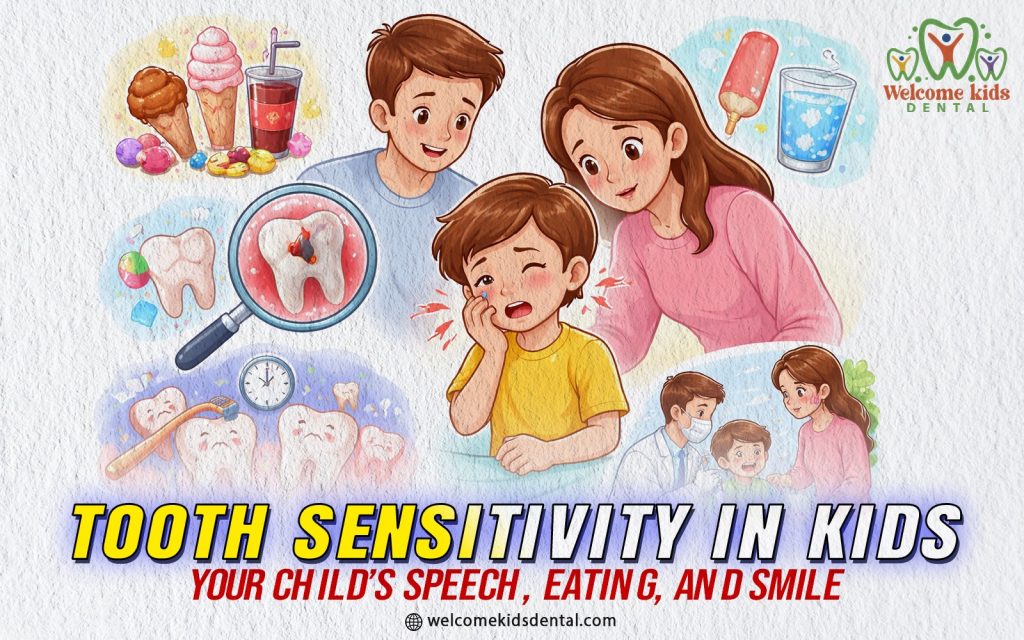
It’s not uncommon for parents to hear their child say, “My tooth hurts” while eating ice cream or drinking something cold. At first, it may seem like a minor or temporary issue, something that will go away on its own. But when that discomfort happens repeatedly or starts affecting your child’s eating habits, it could be a sign of tooth sensitivity.
Tooth sensitivity in children is often overlooked because it doesn’t always present as constant or severe pain. Instead, it appears as quick, sharp discomfort triggered by certain foods or temperatures. One moment your child is fine, and the next they’re reacting to something cold or sweet. Because these episodes are brief, they are easy to dismiss. On top of that, children may not always explain what they’re feeling clearly, they might just avoid certain foods or say something “feels weird,” making it harder for parents to connect the dots.
Another reason sensitivity goes unnoticed is that it doesn’t always look like a visible problem. There may be no obvious cavity, swelling, or discoloration. Yet, something beneath the surface could still be affecting the tooth. This is why it’s important to pay attention to patterns rather than isolated complaints.
The important thing to know is that tooth sensitivity is usually a symptom, not the problem itself. It often points to an underlying issue such as enamel weakness, early decay, or gum irritation. Identifying the cause early can make a significant difference in preventing more serious dental concerns. With timely care and the right guidance, sensitivity can be managed effectively, helping your child stay comfortable and confident in their daily routine.
What Is Tooth Sensitivity in Children?
Tooth sensitivity occurs when the inner layers of the tooth become exposed or irritated. Normally, the outer layer of the tooth (enamel) protects the more sensitive inner parts. When this protective layer is weakened or compromised, external triggers like cold, heat, or sweetness can reach the nerves inside the tooth.
In children, sensitivity often feels like:
- A sudden, sharp pain when eating cold or hot foods
- Discomfort when consuming sweets
- Mild pain during brushing
Unlike continuous toothaches, sensitivity usually comes and goes quickly. However, even short bursts of pain can affect a child’s eating habits and overall comfort.
Understanding this condition is an important part of Pediatric preventive dentistry, as early detection helps prevent more serious issues from developing.
Common Causes of Tooth Sensitivity in Kids
Tooth sensitivity can have several causes, and in many cases, more than one factor may be involved. Because children’s teeth are still developing, they are more vulnerable to changes in diet, habits, and oral hygiene routines.
- Enamel wear or weak enamel
Children naturally have thinner enamel compared to adults, which means their teeth are less protected from external triggers. Brushing too hard, using a hard-bristled toothbrush, or consuming acidic foods like citrus and fizzy drinks can gradually wear down this protective layer. Once enamel becomes weak, it allows temperature and food sensitivity to reach the inner layers of the tooth more easily. - Cavities and early tooth decay
One of the most common causes of sensitivity is early decay. Even a small cavity can create tiny openings in the tooth, exposing sensitive inner areas. In many cases, sensitivity may be the first warning sign before a cavity becomes visible or painful, making early detection extremely important. - Gum irritation or early gum issues
When gums become inflamed due to plaque buildup or improper brushing, they may start to pull away slightly from the tooth. This can expose the root surface, which is not protected by enamel and is much more sensitive. Children may not complain directly but may show signs of discomfort while eating or brushing. - Teeth grinding (bruxism)
Some children grind their teeth, especially during sleep. Over time, this habit can wear down the enamel and create flat or sensitive surfaces on the teeth. Because grinding often happens at night, parents may not notice it until sensitivity or wear becomes more obvious. - Cracked or chipped teeth
Accidents, falls, or biting on hard objects can cause small cracks or chips in the teeth. Even minor damage can expose the inner layers, leading to sensitivity. In such situations, it’s important to seek prompt care from a Broken tooth kids dentis Oakland to prevent further complications. - Diet-related factors
Frequent consumption of sugary snacks, acidic drinks, and processed foods can weaken enamel over time. Constant snacking also means teeth are exposed to acids more frequently, which increases the risk of sensitivity. Sticky foods that stay on teeth longer can further contribute to enamel breakdown.
These causes highlight why early detection and Cavity prevention for children are essential for maintaining strong, healthy teeth. By understanding what contributes to sensitivity, parents can take proactive steps to protect their child’s smile and prevent discomfort before it worsens.
Signs of Tooth Sensitivity Parents Should Watch For
Children may not always describe sensitivity clearly, so parents need to pay attention to both behavioral and physical signs. Unlike adults, kids might not say “my tooth is sensitive”, instead, they may show subtle changes in how they eat, drink, or brush their teeth.
Common indicators include:
- Complaints of pain when eating cold, hot, or sweet foods
If your child reacts strongly to ice cream, cold drinks, or sweets, it may be a sign that the inner part of the tooth is exposed or irritated. The pain is usually quick but noticeable. - Avoiding certain foods or drinks
Children may start avoiding foods they once enjoyed, especially cold or crunchy items. This avoidance is often their way of preventing discomfort, even if they don’t explain it directly. - Flinching or reacting while brushing
If your child suddenly pulls away, winces, or resists brushing certain areas, it could be due to sensitivity. They may also brush more gently or skip spots that feel uncomfortable. - Chewing on one side of the mouth
Favoring one side while eating can indicate that the other side is sensitive or causing discomfort. This habit can sometimes lead to uneven chewing patterns over time. - Sudden discomfort that disappears quickly
Sensitivity often presents as a sharp, short pain that goes away within seconds. Because it doesn’t last long, it can be easy to dismiss, but recurring episodes are a clear sign something needs attention.
You may also notice your child becoming hesitant during meals, taking smaller bites, or slowing down while eating. Similarly, they might rush through brushing or avoid it altogether if it causes discomfort. These small behavioral changes are often the earliest clues that something isn’t right.
Regular visits for Children’s dental cleaning in Oakland play an important role in identifying these signs early. Dentists can detect the underlying cause of sensitivity and address it before it worsens, helping your child stay comfortable and maintain healthy oral habits.
When Is Tooth Sensitivity a Sign of a Bigger Problem?
Occasional sensitivity may not always be a cause for concern, but persistent or worsening symptoms should not be ignored.
Parents should seek dental care if:
- Sensitivity occurs frequently
- Pain becomes more intense or lasts longer
- There are visible signs of decay or damage
- The child avoids eating or brushing
Ignoring sensitivity can allow underlying issues—like cavities or enamel damage—to progress. Over time, this can lead to more complex treatments.
Early evaluation ensures that the problem is addressed before it becomes more serious.
How Pediatric Dentists Diagnose Tooth Sensitivity
Diagnosing tooth sensitivity involves identifying its root cause. Pediatric dentists begin with a thorough examination of the teeth and gums.
They may:
- Check for signs of enamel wear
- Look for cavities or damage
- Evaluate gum health
- Assess bite and alignment
In some cases, X-rays may be used to detect issues that are not visible during a standard exam.
This comprehensive approach ensures that treatment is targeted and effective.
Treatment Options for Tooth Sensitivity in Kids
Treatment depends on the underlying cause of sensitivity. Pediatric dentists recommend solutions based on the child’s specific needs.
Common options include:
- Fluoride treatments to strengthen enamel
- Desensitizing agents to reduce nerve response
- Fillings for cavities
- Protective treatments for damaged teeth
- Guidance on improving brushing techniques
These treatments not only relieve discomfort but also prevent further damage.
How Parents Can Help Reduce Tooth Sensitivity at Home
Parents play a key role in managing and preventing tooth sensitivity.
Helpful steps include:
- Encouraging gentle brushing with a soft-bristled toothbrush
- Using child-friendly toothpaste designed for sensitive teeth
- Limiting sugary and acidic foods
- Promoting consistent oral hygiene habits
Small daily changes can make a big difference in protecting your child’s teeth.
How Welcome Kids Dental Helps Treat and Prevent Tooth Sensitivity
Welcome Kids Dental focuses on providing gentle, personalized care tailored to each child’s needs. The team understands that tooth sensitivity can be uncomfortable, and sometimes confusing, for both children and parents. Instead of offering a one-size-fits-all solution, they take time to understand the root cause and create a care plan that works specifically for your child.
Their approach includes:
- Early diagnosis of sensitivity causes
The team carefully examines your child’s teeth, gums, and overall oral health to identify what’s causing the sensitivity, whether it’s early decay, enamel wear, gum irritation, or habits like grinding. Catching the issue early makes treatment simpler and more effective. - Customized treatment plans
Based on the diagnosis, treatment is tailored to your child’s comfort and needs. This may include fluoride treatments, protective solutions, or addressing underlying issues like cavities or minor damage, all done in a gentle and child-friendly manner. - Preventive care strategies
Prevention is a key focus. The team works to strengthen enamel, reduce the risk of future sensitivity, and support overall oral health through regular checkups and cleanings. This proactive approach helps avoid recurring discomfort. - Guidance for parents on home care
Parents receive clear, practical advice on how to manage sensitivity at home. This includes brushing techniques, dietary recommendations, and habits that help protect enamel and reduce irritation.
The practice also creates a welcoming and supportive environment that helps children feel at ease from the moment they walk in. Friendly communication, patience, and a calm approach make a big difference, especially for children who may feel nervous about dental visits. This plays an important role in Dental anxiety treatment for kids, ensuring that each visit is stress-free and positive.
By combining clinical expertise with a compassionate, child-first approach, Welcome Kids Dental helps families not only treat tooth sensitivity but also prevent it from coming back. The goal is to keep children comfortable, confident, and smiling, both during their visits and in their everyday lives.
Conclusion
Tooth sensitivity in kids may seem like a small issue, but it can often signal underlying problems that need attention. What starts as occasional discomfort while eating something cold or sweet can gradually turn into a more persistent issue if the root cause isn’t addressed. Recognizing the signs early allows parents to take action before that discomfort develops into cavities, enamel damage, or other dental concerns.
With proper care, preventive measures, and regular dental visits, most cases of sensitivity can be managed effectively. Simple steps like improving brushing habits, making mindful dietary choices, and keeping up with routine checkups can make a noticeable difference. Professional guidance ensures that any hidden issues are identified early and treated in the most comfortable way possible.
It’s also important to create a positive approach to dental care. When children feel comfortable and supported, they are more likely to maintain good oral hygiene habits and communicate when something feels off. This builds a strong foundation for long-term oral health. A comfortable, pain-free smile helps children eat, speak, and grow with confidence, and that’s something every parent wants for their child. Taking small steps today can prevent bigger problems tomorrow, ensuring your child enjoys a healthy, happy smile for years to come.