What Is a Scissor Bite? Understanding One of the Rarest Bite Problems in Children
Dr. Mark Tavakoli
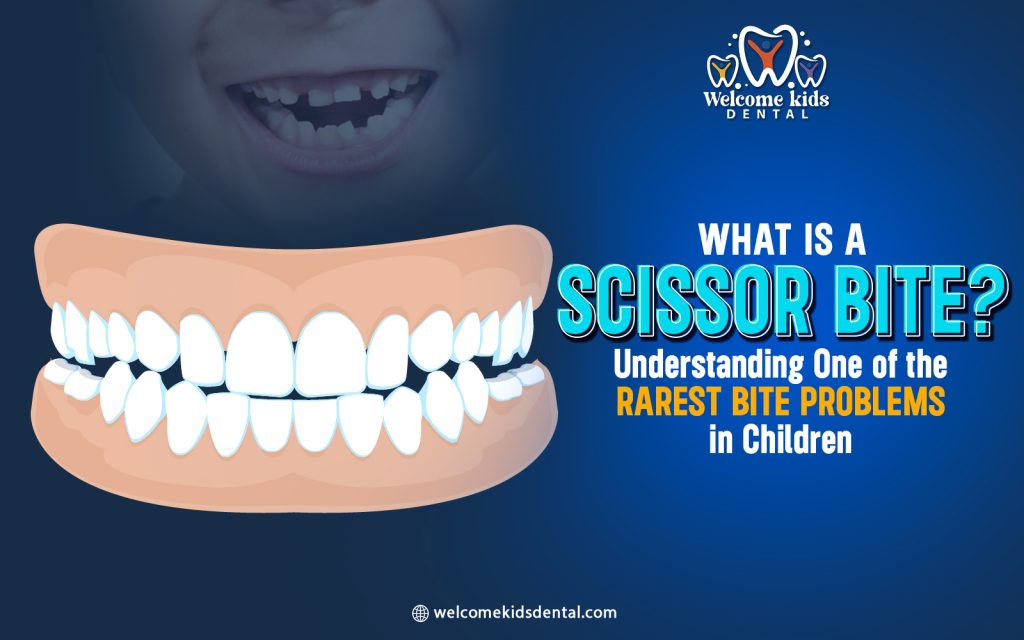
Most parents are familiar with common orthodontic issues such as crowded teeth, overbites, underbites, and crossbites. These conditions are frequently discussed during dental visits and are often easy to spot as a child grows. However, there is another bite problem that receives far less attention despite its potential impact on oral health: the scissor bite.
A scissor bite is considered one of the rarest forms of dental misalignment in children. Because it often develops in the back teeth and may not significantly affect a child’s appearance at first, many parents are unaware that it exists. In fact, some children can have a scissor bite for years before it is identified during a routine dental examination.
While the condition may be uncommon, it can influence chewing efficiency, jaw function, tooth wear, and overall oral development. The earlier it is recognized, the easier it is to monitor and manage. Understanding how a scissor bite develops, what signs parents should watch for, and why early detection matters can help families make informed decisions about their child’s dental health.
What Exactly Is a Scissor Bite?
A scissor bite is a type of malocclusion, or bite misalignment, in which the upper teeth sit completely outside the lower teeth when the mouth closes. Normally, the upper teeth overlap the lower teeth slightly. This relationship allows the teeth to fit together properly, distribute chewing forces evenly, and support healthy jaw movement.
With a scissor bite, however, one section of the upper arch extends too far outward. As a result, the affected upper teeth do not properly contact the lower teeth during biting and chewing.
The condition most commonly affects:
- Back molars
- Premolars
- One side of the mouth
- Occasionally both sides
Because the issue usually develops toward the back of the mouth, it can be difficult for parents to identify without professional evaluation.
Why Is It Called a Scissor Bite?
The term “scissor bite” comes from the way the upper and lower teeth pass by one another. Instead of fitting together like puzzle pieces, the teeth move past each other in a manner that resembles the blades of a pair of scissors. This unusual positioning prevents normal contact between the upper and lower teeth.
Over time, the imbalance can affect how a child chews, swallows, and distributes pressure across the bite. Although the name sounds unusual, the mechanics behind the condition can have meaningful effects on long-term oral development.
How Common Is a Scissor Bite in Children?
Compared with other bite problems, scissor bites are relatively rare.
Conditions such as:
- Crowding
- Overbites
- Crossbites
- Underbites
are seen far more frequently during childhood.
Because scissor bites occur less often, many parents have never heard of them. Even some children with the condition may not realize anything is different because they adapt to the way they chew and bite.
The rarity of the condition is one reason regular dental examinations are so important. Professional monitoring often identifies issues that would otherwise go unnoticed.
What Causes a Scissor Bite?
There is no single cause of a scissor bite. In many cases, multiple developmental factors contribute to the condition.
Genetics
Genetics plays a major role in jaw growth and tooth positioning.
Children may inherit:
- Narrow lower jaws
- Wider upper arches
- Unique facial growth patterns
These inherited characteristics can increase the likelihood of bite irregularities.
Jaw Growth Differences
Sometimes the upper and lower jaws grow at different rates. When one jaw develops disproportionately compared to the other, the teeth may no longer align properly. Even small differences in jaw width can contribute to the development of a scissor bite.
Abnormal Tooth Eruption
As baby teeth fall out and permanent teeth emerge, teeth occasionally erupt in unusual positions. If certain teeth develop too far outward, they can contribute to bite discrepancies over time.
Oral Habits During Childhood
Certain habits may influence the way the jaws and teeth develop.
Examples include:
- Prolonged thumb sucking
- Extended pacifier use
- Tongue positioning habits
While these habits do not always cause scissor bites directly, they may contribute to bite irregularities in susceptible children.
Can a Scissor Bite Correct Itself?
Many parents hope that a scissor bite will improve naturally as their child’s mouth develops. While minor alignment changes can occur during growth, a true scissor bite rarely resolves completely on its own.
Because the condition is often related to jaw width, tooth positioning, or growth patterns, waiting without monitoring may allow the imbalance to become more pronounced over time. As the child grows, the affected teeth can continue functioning in an improper position, increasing the risk of uneven wear and chewing difficulties.
This does not mean every scissor bite requires immediate treatment. However, regular monitoring allows pediatric dentists to determine whether the condition is remaining stable or progressing as the child develops.
Signs Parents Often Miss
One reason scissor bites are frequently overlooked is that they do not always produce obvious symptoms. However, there are several subtle signs that may indicate a problem.
Uneven Chewing
Children may naturally favor one side of the mouth because chewing feels easier there. Parents sometimes interpret this as a simple habit rather than a possible bite issue.
Frequent Cheek Biting
When the teeth do not align correctly, the inner cheeks can become trapped between the upper and lower teeth during chewing. Recurring cheek bites may be a warning sign that the bite is not functioning properly.
Difficulty Breaking Down Food
Children with scissor bites may take longer to chew certain foods.
They may:
- Avoid tougher textures
- Chew more slowly
- Take smaller bites
Because these behaviors develop gradually, they often go unnoticed.
Jaw Fatigue
Improper bite alignment can force jaw muscles to work harder than normal. Some children experience:
- Tired jaws after meals
- Occasional jaw soreness
- Clicking sensations while chewing
Uneven Tooth Wear
Teeth that absorb excessive pressure often show wear earlier than expected. Parents rarely notice these changes themselves, which is why professional monitoring is important.
How a Scissor Bite Can Affect Oral Health
A scissor bite is not simply a cosmetic concern. Over time, the condition can affect multiple aspects of oral function.
Uneven Distribution of Chewing Forces
When teeth do not contact properly, certain teeth experience more pressure than others.
This imbalance can contribute to:
- Excessive wear
- Increased sensitivity
- Greater risk of fractures
Increased Risk of Tooth Damage
Teeth subjected to abnormal forces may become more vulnerable to chipping or cracking.
Jaw Strain
The jaw joints and surrounding muscles are designed to function with balanced bite relationships. When the bite is uneven, extra strain may be placed on these structures.
Difficulty Maintaining Oral Hygiene
Misaligned teeth can create areas that are harder to clean effectively. This may contribute to plaque accumulation and make Cavity prevention for children more challenging over time.
How Pediatric Dentists Diagnose a Scissor Bite
Because a scissor bite often affects the back teeth and may not cause obvious symptoms in the early stages, it can be difficult for parents to identify on their own. Many children with a scissor bite appear to have relatively normal smiles, which is why professional dental evaluations play such an important role in early detection.
Diagnosing a scissor bite involves much more than simply looking at the front teeth. During an examination, a pediatric dentist carefully evaluates several aspects of a child’s oral development, including:
- Overall bite alignment
- How the upper and lower jaws fit together
- Positioning of individual teeth
- Chewing function and bite patterns
- Facial growth and symmetry
- Eruption patterns of developing teeth
The dentist may ask the child to bite down naturally and observe how the teeth come together. Since scissor bites frequently occur in the back of the mouth, special attention is given to the molars and premolars, where the condition is most commonly found.
In some cases, additional diagnostic imaging may be recommended. Dental X-rays and other imaging tools can provide a clearer picture of tooth positioning, jaw relationships, and developing permanent teeth. These images help dentists determine the severity of the bite issue and monitor how it may change as the child grows.
Routine dental visits are especially valuable because many bite problems develop gradually. Parents often assume dental appointments are only necessary for cavity checks and cleanings, but these visits also allow dentists to track important developmental changes over time.
During regular checkups, pediatric dentists monitor:
- Bite development
- Jaw growth and alignment
- Tooth eruption patterns
- Spacing between teeth
- Early orthodontic concerns
- Changes in oral habits that may affect development
Professional evaluations often reveal subtle concerns long before symptoms become noticeable. A child may not complain about chewing difficulties or jaw strain, yet a developing bite issue may already be present.
This proactive monitoring is a key component of Pediatric preventive dentistry. By identifying concerns early, dentists can provide guidance, recommend appropriate interventions when necessary, and help support healthy oral development throughout childhood.
Regular examinations and children’s dental cleaning in Oakland not only help maintain healthy teeth and gums but also provide important opportunities to assess how a child’s smile is developing. Early detection often leads to simpler, more effective solutions and can help prevent more complex dental or orthodontic issues in the future.
How Welcome Kids Dental Helps Monitor Bite Development
At Welcome Kids Dental, preventive care extends far beyond checking for cavities.
The team carefully evaluates:
- Tooth alignment
- Jaw growth
- Eruption patterns
- Functional bite relationships
By monitoring these factors over time, potential concerns such as scissor bites can be identified early.
Parents receive guidance regarding:
- Developmental changes to watch for
- Oral habits that may affect growth
- Strategies for supporting healthy dental development
The practice also focuses on creating positive experiences for children. A welcoming and supportive environment helps reduce fear and supports dental anxiety treatment for kids, making routine visits more comfortable for young patients. Through ongoing monitoring and preventive care, Welcome Kids Dental helps families stay proactive about their child’s oral health.
Conclusion
A scissor bite may be one of the rarest bite problems seen in children, but that doesn’t mean it should be overlooked. Because the condition often develops quietly and affects teeth that are not easily visible, many parents remain unaware of it until a dental professional identifies the issue. Although a scissor bite may not cause immediate discomfort, it can influence chewing function, tooth wear, jaw health, and overall oral development over time.
The good news is that regular dental visits provide opportunities to detect these concerns early. Through careful monitoring, professional guidance, and a preventive approach to oral health, parents can help support healthy bite development as their children grow. Early identification often allows dentists to track changes over time and determine whether any intervention may be beneficial before the condition becomes more significant.
When it comes to children’s smiles, early awareness is one of the most valuable tools for protecting long-term oral health. If you have noticed unusual chewing habits, frequent cheek biting, or simply want reassurance that your child’s bite is developing properly, scheduling a dental evaluation can provide valuable peace of mind. At Welcome Kids Dental, helping families identify and address concerns early is an important part of supporting healthy, confident smiles for years to come.