Overjet vs. Overbite: What’s the Difference and Why Does It Matter for Your Child?
Dr. Mark Tavakoli
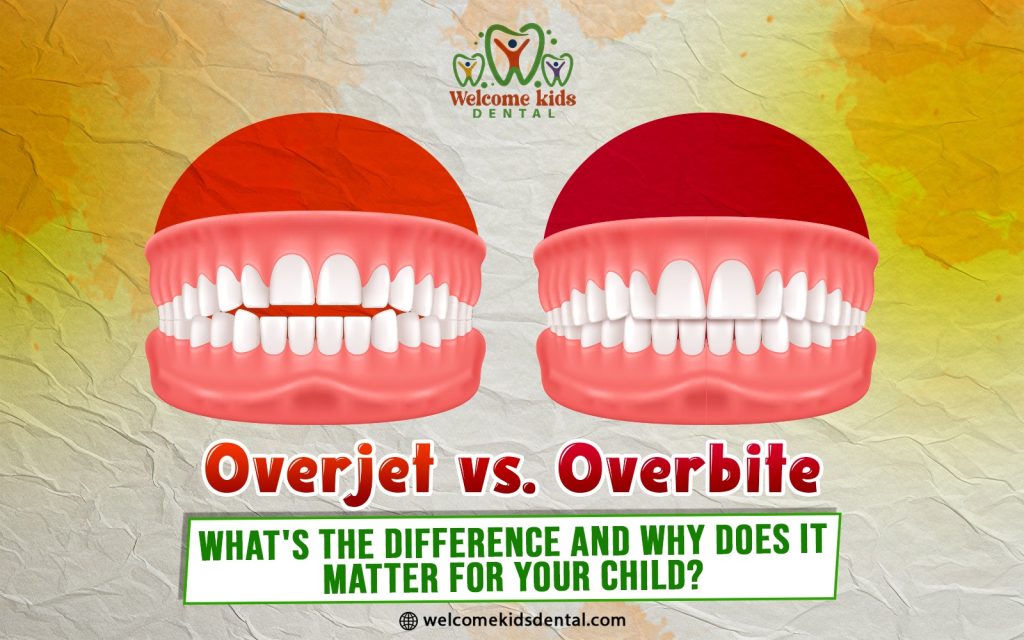
As a parent, you may notice that your child’s front teeth seem to stick out or overlap more than usual. While these differences may appear minor, they can sometimes indicate a bite problem that deserves attention. Two of the most commonly confused bite issues are an overjet and an overbite. Although the terms sound similar and are often used interchangeably, they describe two different types of dental alignment.
Understanding the difference between an overjet and an overbite is important because each condition can affect your child’s oral health in different ways. Depending on its severity, a bite problem may influence chewing, speech, tooth wear, jaw development, and even the likelihood of dental injuries. The good news is that early recognition allows dentists to monitor your child’s growth and recommend appropriate care if needed.
Many children experience mild bite differences that don’t require immediate treatment. However, regular dental evaluations help ensure that developing bite problems are identified before they become more complicated.
What Is an Overjet?
An overjet refers to the horizontal distance between the upper and lower front teeth.
In a child with an overjet, the upper front teeth extend farther forward than normal, causing them to protrude beyond the lower front teeth. While a small amount of overjet is considered normal, a larger gap may affect both the appearance and function of the bite.
The condition may involve:
- One or more upper front teeth
- Mild or significant protrusion
- Baby teeth, permanent teeth, or both
An overjet is sometimes described as “buck teeth,” although this informal term does not accurately describe every case.
Because the front teeth project farther forward, they are often less protected during falls or sports-related accidents. This is one reason why children with larger overjets may have a greater risk of dental injuries.
What Is an Overbite?
An overbite refers to the vertical overlap between the upper and lower front teeth. In a healthy bite, the upper front teeth naturally overlap the lower front teeth slightly. This overlap helps distribute chewing forces evenly and supports efficient biting and speaking.
A deep overbite occurs when the upper front teeth cover a much larger portion of the lower front teeth than they should. In more severe cases, the lower teeth may become almost completely hidden when the child bites down. Unlike an overjet, which measures how far forward the upper teeth extend, an overbite measures how much the upper teeth overlap the lower teeth vertically.
Some children have only an overbite, while others have both an overbite and an overjet at the same time.
Overjet vs. Overbite: What’s the Difference?
Although the two conditions often occur together, they describe different bite relationships.
Overjet
An overjet measures the horizontal distance between the upper and lower front teeth.
Characteristics include:
- Upper teeth protrude forward
- Increased space between upper and lower front teeth
- Greater risk of injury to the front teeth
Overbite
An overbite measures the vertical overlap of the upper and lower front teeth.
Characteristics include:
- Upper teeth overlap the lower teeth excessively
- Lower teeth appear partially hidden
- Increased pressure on the front teeth
Understanding this distinction helps parents better recognize what their dentist is describing during routine examinations.
What Causes Overjets and Overbites?
Several factors may contribute to the development of these bite problems. In many children, more than one factor is involved.
Genetics
Genetics is one of the most common causes.
Children may inherit:
- Jaw size
- Facial growth patterns
- Tooth positioning
- Differences in upper and lower jaw development
If one or both parents experienced orthodontic issues during childhood, the child may have a greater likelihood of developing similar bite concerns.
Thumb Sucking
Thumb sucking is a normal comfort habit during infancy and early childhood. However, when it continues beyond the recommended age, repeated pressure can gradually push the upper front teeth forward while affecting jaw development.
Over time, prolonged thumb sucking may contribute to:
- Increased overjet
- Deep overbite
- Other bite irregularities
Extended Pacifier Use
Like thumb sucking, prolonged pacifier use may influence the position of developing teeth. Although pacifiers are helpful for soothing infants, extended use beyond the toddler years may increase the likelihood of bite changes.
Tongue Thrusting
Some children naturally push their tongue against the front teeth while swallowing or speaking. Repeated pressure from the tongue can gradually influence tooth positioning and contribute to bite problems over time.
Differences in Jaw Growth
Sometimes the upper and lower jaws simply grow at different rates. If the upper jaw develops farther forward or the lower jaw grows more slowly, an overjet or overbite may become more noticeable as the child grows. Because jaw development continues throughout childhood, regular monitoring is important.
Signs Parents Should Watch For
Not every overjet or overbite is obvious, especially during the early stages. However, several signs may suggest that your child’s bite deserves professional evaluation.
Front Teeth That Stick Out
One of the easiest signs to notice is when the upper front teeth extend noticeably farther forward than the lower teeth.
Parents may observe:
- Teeth appearing more prominent
- Lips remaining slightly open when relaxed
- Increased visibility of the upper teeth
Excessive Overlap of Front Teeth
If the upper teeth cover most of the lower front teeth when your child bites down, a deep overbite may be present. Although a slight overlap is completely normal, excessive coverage may indicate a developing bite concern.
Difficulty Biting Into Food
Children with significant bite differences sometimes struggle to bite through foods such as:
- Apples
- Sandwiches
- Pizza
- Corn on the cob
Instead of using their front teeth efficiently, they may tear food into smaller pieces or rely more heavily on their back teeth.
Mouth Breathing
Some children with certain jaw or bite relationships may also develop a habit of breathing through their mouths. While mouth breathing does not always indicate an overjet or overbite, it may be one contributing factor when combined with other developmental concerns.
Frequent Lip Injuries
Because protruding front teeth receive less protection from the lips, they are more vulnerable during falls and everyday accidents.
Children with larger overjets may experience:
- Chipped front teeth
- Lip injuries
- Cuts inside the mouth
If trauma does occur, prompt evaluation helps ensure that both the teeth and surrounding tissues are properly assessed.
Can an Overjet or Overbite Affect Your Child’s Speech?
Yes, depending on the severity of the bite, an overjet or overbite can sometimes affect the way a child speaks. The position of the teeth plays an important role in forming certain sounds, and when the front teeth do not align properly, the tongue may have difficulty making the correct contact needed for clear pronunciation.
Children with more pronounced bite problems may have trouble producing sounds such as:
- S
- Z
- F
- V
- Th
It’s important to remember that not every child with an overjet or overbite will develop speech difficulties. Many children speak normally despite having mild bite differences. However, if parents notice persistent pronunciation problems along with visible bite concerns, it’s a good idea to mention both during a dental visit. In some cases, the dentist may recommend further evaluation to determine whether the bite is contributing to the speech issue.
Can These Bite Problems Affect Eating?
A properly aligned bite allows children to bite, tear, and chew food comfortably. When an overjet or overbite is more pronounced, everyday eating can become less efficient.
Some children may experience:
Difficulty Biting Into Foods
Foods that require the front teeth to bite through, such as apples, sandwiches, or pizza slices, may become more difficult to eat. Instead of using their front teeth, children may rely on their back teeth or tear food into smaller pieces first.
Uneven Chewing
If the bite feels uncomfortable, a child may naturally favor one side of the mouth while chewing. Over time, this can place uneven pressure on certain teeth and jaw muscles.
Longer Mealtimes
Children with significant bite differences may chew more slowly or avoid foods that are difficult to bite. Parents may mistake these habits for picky eating when they are actually related to bite function.
Jaw Fatigue
Because the jaw muscles may need to work harder to compensate for an uneven bite, some children experience tiredness or mild discomfort after eating.
If these symptoms become frequent, a dental evaluation can help determine whether the bite is contributing to the problem.
Can an Overbite Cause Excessive Tooth Wear?
A deep overbite places additional pressure on the front teeth every time the child bites down.
Over time, this repeated contact can lead to:
- Faster enamel wear
- Flattened tooth edges
- Increased tooth sensitivity
- Small chips along the front teeth
In some cases, the lower front teeth may even contact the roof of the mouth behind the upper teeth, causing irritation to the soft tissues.
Because these changes develop gradually, parents often don’t notice them until they become more significant. Routine dental examinations allow dentists to monitor tooth wear and identify early signs of excessive pressure before permanent damage occurs.
How Can These Bite Problems Affect a Child’s Confidence?
As children grow older, they become increasingly aware of their appearance and how they compare with their peers. While some children are completely comfortable with their smiles, others may become self-conscious if their front teeth are noticeably protruded or overlap excessively.
A child may begin to:
- Smile less in photographs
- Cover their mouth while laughing
- Avoid speaking in front of groups
- Feel embarrassed about their teeth
- Worry about comments from classmates
Not every child with an overjet or overbite experiences emotional effects, but confidence is an important part of overall well-being. Addressing concerns early and providing reassurance can help children feel more comfortable with their smiles while appropriate dental guidance is provided.
How Pediatric Dentists Diagnose Overjets and Overbites
Diagnosing an overjet or overbite involves much more than simply looking at the front teeth. During a comprehensive examination, the pediatric dentist evaluates how the teeth, jaws, and facial structures are developing together.
The evaluation typically includes:
- Bite alignment
- Jaw positioning
- Tooth eruption patterns
- Facial growth
- Overall oral development
Your child may be asked to bite together naturally so the dentist can observe how the upper and lower teeth fit. The amount of horizontal spacing and vertical overlap is carefully assessed to determine whether the bite is developing normally.
If necessary, dental X-rays or other diagnostic images may be recommended to evaluate the position of developing permanent teeth and the relationship between the upper and lower jaws. These images help dentists identify concerns that may not yet be visible during a routine examination.
By monitoring growth over time, pediatric dentists can determine whether a bite difference is remaining stable, improving naturally, or becoming more pronounced as the child develops.
Treatment Options for Overjets and Overbites
Treatment depends on several factors, including the child’s age, stage of dental development, severity of the bite, and overall jaw growth. Some children require only routine observation, while others may benefit from early orthodontic evaluation.
Possible approaches include:
Monitoring Growth
Mild bite differences may simply be observed during regular dental visits to see how the teeth and jaws develop over time.
Habit Correction
If prolonged thumb sucking, pacifier use, or tongue thrusting is contributing to the bite problem, addressing these habits early may help prevent further changes.
Early Orthodontic Evaluation
Some children benefit from an orthodontic assessment while they are still growing. Early guidance can sometimes reduce the complexity of treatment later in adolescence.
The dentist will recommend the most appropriate approach based on your child’s individual needs rather than applying the same treatment to every case.
How Welcome Kids Dental Supports Healthy Bite Development
At Welcome Kids Dental, every routine visit includes careful monitoring of your child’s developing smile. The dental team understands that bite problems such as overjets and overbites often develop gradually and may not be immediately obvious to parents.
During regular examinations, the team evaluates:
- Bite alignment
- Jaw growth
- Tooth positioning
- Eruption patterns
- Overall oral health
By comparing these developmental changes over time, the dentists can identify potential concerns early and provide parents with clear guidance on the next steps. If a bite problem is detected, families receive personalized recommendations based on the child’s age, growth stage, and individual needs.
Parents are also encouraged to ask questions about oral habits, jaw development, and what changes to watch for at home. This collaborative approach helps families feel informed and confident about their child’s oral health. Creating a positive dental experience is another important part of the practice’s philosophy. The welcoming, child-friendly environment helps children feel comfortable during visits, making routine dental care a positive and stress-free experience.
By focusing on prevention, education, and early detection, Welcome Kids Dental helps children develop healthy, functional smiles that support their oral health now and in the future.
Conclusion
Although the terms “overjet” and “overbite” are often used interchangeably, they describe two different bite relationships. An overjet refers to how far the upper front teeth extend forward, while an overbite describes how much the upper front teeth overlap the lower front teeth vertically. Understanding this difference helps parents better recognize potential bite concerns and communicate more confidently during dental visits.
While many children have mild bite differences that do not cause immediate problems, more significant overjets or overbites can affect chewing, speech, tooth wear, and even the risk of dental injuries. Because these changes often develop gradually, routine dental evaluations play an important role in monitoring your child’s oral development and identifying concerns early.
If you have noticed protruding front teeth, excessive overlap, or changes in the way your child bites or chews, scheduling a dental evaluation can provide valuable reassurance. At Welcome Kids Dental, every child receives personalized, compassionate care focused on supporting healthy growth, proper bite development, and confident smiles that last a lifetime.