What Is a Crossbite? Understanding This Common Bite Problem in Children
Dr. Mark Tavakoli
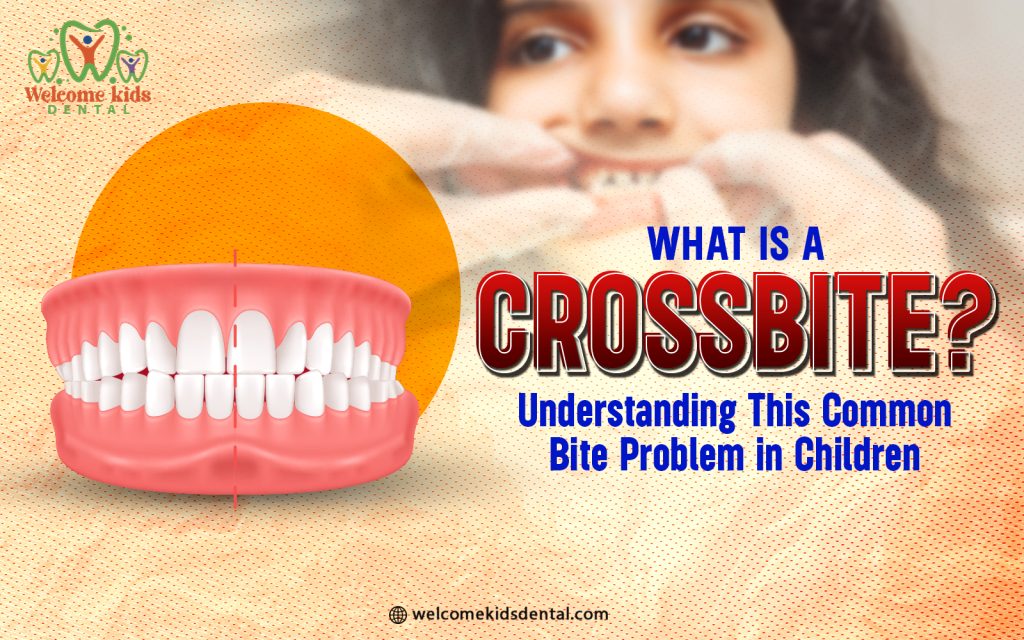
As parents, it’s natural to pay close attention to your child’s smile. You may notice when their baby teeth start falling out, when permanent teeth begin coming in, or if their teeth appear slightly crooked. However, not all dental concerns are easy to recognize. Some develop gradually and affect the way the upper and lower teeth fit together rather than how they look. One of the most common examples is a crossbite.
A crossbite is a bite misalignment that can affect children of all ages. While it may not always cause pain or obvious discomfort in the beginning, it can influence chewing, jaw development, tooth wear, and overall oral health if left unaddressed. Because children often adapt to the way they bite and chew, many parents don’t realize there is a problem until it is identified during a routine dental examination.
The good news is that a crossbite can often be detected early through regular dental visits. Understanding what a crossbite is, why it develops, and the signs to watch for allows parents to take proactive steps toward protecting their child’s smile.
What Is a Crossbite?
A crossbite is a type of malocclusion, or bite misalignment, in which one or more upper teeth sit inside the lower teeth when the mouth is closed. Normally, the upper teeth should overlap the lower teeth slightly, creating a balanced bite that allows for efficient chewing and healthy jaw movement.
When a crossbite is present, this normal alignment is disrupted. Instead of fitting together properly, certain teeth bite in the wrong position, placing uneven pressure on the teeth and jaws. Depending on which teeth are involved, the condition may affect how a child chews, speaks, or how their jaw develops over time.
A crossbite may involve:
- One front tooth
- Several front teeth
- One or more back teeth
- One side of the mouth
- Both sides of the mouth
Some children have only a single tooth in crossbite, while others experience a more extensive bite problem involving multiple teeth.
Types of Crossbites
Not every crossbite is the same. Pediatric dentists generally classify crossbites into two main categories.
Anterior Crossbite
An anterior crossbite affects the front teeth. Instead of the upper front teeth sitting slightly in front of the lower teeth, one or more upper front teeth bite behind the lower front teeth.
Parents may notice:
- One upper front tooth positioned behind the lower teeth
- Difficulty biting into foods
- An unusual appearance when the child smiles or closes their mouth
An anterior crossbite is sometimes confused with an underbite, but they are different conditions. An underbite usually involves the position of the entire lower jaw, while an anterior crossbite may involve only one or several front teeth.
Posterior Crossbite
A posterior crossbite affects the back teeth, including the molars and premolars. In a healthy bite, the upper back teeth sit slightly outside the lower back teeth. With a posterior crossbite, they bite inside instead. Because the back teeth are less visible, this type often goes unnoticed without a professional examination.
Some children may:
- Chew primarily on one side
- Shift their jaw while biting
- Develop uneven tooth wear
- Experience jaw fatigue after meals
How Common Is a Crossbite in Children?
Crossbites are one of the more common bite problems seen during childhood. They can develop in baby teeth, permanent teeth, or during the transition between the two. Although the condition is relatively common, many parents have never heard of it until their child’s dentist points it out.
One reason is that children often adapt extremely well to bite changes. Rather than complaining about discomfort, they simply learn to chew differently or avoid certain foods. Since symptoms may be mild or absent in the beginning, regular dental evaluations play an important role in early detection.
This proactive monitoring is an essential part of Pediatric preventive dentistry, helping identify bite concerns before they begin affecting long-term oral development.
What Causes a Crossbite?
A crossbite usually develops due to one or more developmental factors rather than a single cause.
Genetics
One of the most common contributing factors is genetics.
Children may inherit:
- Jaw size
- Facial growth patterns
- Tooth positioning
- Differences between upper and lower jaw width
If one parent had orthodontic concerns during childhood, the child may have a higher likelihood of developing similar bite issues.
Differences in Jaw Growth
Sometimes the upper and lower jaws do not grow at the same rate. When the upper jaw develops too narrowly or the lower jaw develops differently, the teeth may no longer fit together correctly. Because children continue growing throughout childhood, these changes may become more noticeable over time.
Thumb Sucking and Pacifier Use
Oral habits that continue beyond the recommended age can gradually influence tooth positioning and jaw development.
Examples include:
- Thumb sucking
- Finger sucking
- Extended pacifier use
These habits apply repeated pressure to developing teeth and may contribute to bite changes in some children.
Mouth Breathing
Children who breathe primarily through their mouths may experience differences in facial and jaw development. Although mouth breathing alone does not always cause a crossbite, it can be one contributing factor when combined with other developmental influences.
Delayed or Abnormal Tooth Eruption
As baby teeth fall out and permanent teeth emerge, teeth occasionally erupt in unusual positions.
If certain teeth grow inward or outward more than expected, they can affect how the upper and lower teeth come together.
Signs Parents Should Watch For
Crossbites often develop gradually, making them easy to overlook.
Fortunately, several subtle signs may indicate that a child’s bite deserves closer attention.
Uneven Chewing
Some children consistently chew on only one side of the mouth because it feels more comfortable. Parents often mistake this for a habit rather than a possible bite concern.
Difficulty Biting Into Foods
Children with anterior crossbites may struggle to bite foods such as:
- Apples
- Sandwiches
- Pizza
- Corn on the cob
Instead, they may tear food into smaller pieces before eating.
Frequent Cheek Biting
Improper tooth alignment sometimes causes the inside of the cheeks to become caught between the teeth while chewing. Recurring cheek injuries may indicate that the bite is not functioning properly.
Jaw Shifting
Some children move their jaw slightly sideways before their teeth come together. This shift allows them to find a more comfortable bite position but may also place extra strain on the jaw muscles over time.
Uneven Tooth Wear
Because certain teeth absorb more chewing pressure than others, they may wear down faster than expected.
Parents rarely notice this on their own, making routine dental examinations especially valuable.
Can a Crossbite Affect Everyday Activities?
Yes. Although many children experience little discomfort initially, a crossbite can influence several daily activities.
Eating
Children may:
- Chew more slowly
- Favor one side of the mouth
- Avoid harder foods
- Take unusually small bites
These adjustments often happen gradually, making them difficult for parents to recognize.
Speaking
Most children with mild crossbites develop normal speech. However, more significant bite differences can occasionally influence tongue positioning and the pronunciation of certain sounds.
Jaw Function
When teeth do not fit together evenly, jaw muscles may work harder to achieve a comfortable bite.
Some children experience:
- Jaw fatigue
- Mild soreness after eating
- Clicking during chewing
These symptoms should always be discussed with a pediatric dentist.
How Pediatric Dentists Diagnose a Crossbite
Diagnosing a crossbite involves much more than checking whether teeth appear straight. Pediatric dentists evaluate the overall relationship between the teeth, jaws, and facial growth to understand how the bite is developing.
During a comprehensive examination, the dentist assesses:
- Bite alignment
- Jaw positioning
- Facial growth
- Tooth eruption patterns
- Chewing function
Your child may be asked to bite together naturally while the dentist observes how the upper and lower teeth meet. Since some crossbites are subtle, special attention is given to both the front and back teeth to identify areas where the bite may not be functioning correctly.
If additional information is needed, dental X-rays or other diagnostic imaging may be recommended to evaluate jaw relationships, tooth positioning, and the development of permanent teeth beneath the gums. These images provide valuable insight into concerns that may not yet be visible during a routine examination.
Regular evaluations allow pediatric dentists to monitor developmental changes over time and identify bite concerns before they become more complex.
Can a Crossbite Affect Long-Term Oral Health?
Yes. Although some children experience few immediate symptoms, an untreated crossbite can affect much more than the appearance of a smile. Because the teeth and jaws continue to grow throughout childhood, an improper bite can gradually influence how they function and develop over time.
Some possible long-term effects include:
- Uneven tooth wear
- Increased risk of chipped or fractured teeth
- Difficulty chewing efficiently
- Jaw muscle strain
- Changes in jaw growth
- More complex orthodontic treatment later
When the upper and lower teeth do not fit together properly, chewing forces become uneven. Certain teeth absorb more pressure than others during everyday activities like eating and speaking. Over time, this can cause excessive wear on specific teeth, increased sensitivity, and even a higher risk of cracks or fractures.
A crossbite can also affect the jaw joints and surrounding muscles. Children may begin shifting their jaw to find a more comfortable bite, which can eventually contribute to muscle fatigue or discomfort. If the condition develops while the jaws are still growing, it may influence facial symmetry or bite development in the future.
These potential concerns highlight why early detection is such an important part of Pediatric preventive dentistry. Regular monitoring allows pediatric dentists to evaluate changes as your child grows and recommend appropriate care before the problem becomes more significant.
Treatment Options for Crossbite in Children
Treatment depends on several factors, including the child’s age, whether baby or permanent teeth are involved, the severity of the crossbite, and how the jaws are developing.
Some commonly recommended treatment options include:
Observation and Monitoring
If the crossbite is mild and the child is still growing, the dentist may recommend regular monitoring rather than immediate treatment. Routine checkups allow the dental team to evaluate how the bite changes as permanent teeth erupt.
Habit Correction
If prolonged thumb sucking, pacifier use, or tongue habits are contributing to the bite problem, addressing these habits may help prevent the condition from worsening.
Parents receive guidance on encouraging healthy oral habits that support proper dental development.
Early Orthodontic Evaluation
Some children may benefit from an orthodontic evaluation during childhood.
Depending on the individual case, early treatment may help:
- Guide jaw development
- Improve bite alignment
- Create space for erupting permanent teeth
- Reduce the complexity of future orthodontic care
Every child is different, which is why treatment recommendations are always based on a comprehensive examination.
How Welcome Kids Dental Helps Children with Crossbites
At Welcome Kids Dental, preventive care goes beyond checking for cavities. Every routine visit includes careful monitoring of your child’s developing smile to identify concerns such as crossbites as early as possible.
The dental team carefully evaluates:
- Bite alignment
- Tooth positioning
- Jaw development
- Tooth eruption patterns
- Overall oral health
By comparing your child’s dental development over time, the team can recognize subtle changes that may indicate a developing bite problem. If a concern is identified, parents receive a clear explanation of what it means and whether the condition simply requires monitoring or if additional evaluation may be beneficial.
Parents are also given practical guidance on healthy oral habits, developmental milestones, and changes to watch for as their child grows. This collaborative approach helps families better understand their child’s oral development and feel confident about future care.
Creating positive dental experiences is another important part of the practice’s philosophy. The welcoming environment helps children feel relaxed during appointments and supports Dental anxiety treatment for kids, making routine visits comfortable and encouraging lifelong confidence in dental care.
By emphasizing prevention, education, and early detection, Welcome Kids Dental helps children develop healthy smiles that support proper function, comfort, and confidence.
Conclusion
A crossbite is one of the most common bite problems seen in children, but it often develops quietly and may not be immediately obvious to parents. While some children experience few symptoms in the beginning, the condition can gradually affect chewing, jaw development, tooth wear, and overall oral health if left unmonitored.
The good news is that regular dental visits make it possible to identify crossbites early and monitor how your child’s bite changes as they grow. Early detection allows pediatric dentists to provide personalized guidance, recommend appropriate treatment when necessary, and help prevent more complex concerns in the future.
If you’ve noticed unusual chewing habits, jaw shifting, frequent cheek biting, or changes in the way your child’s teeth fit together, scheduling a professional evaluation is a proactive step toward protecting their smile. At Welcome Kids Dental, every child receives compassionate, personalized care focused on healthy development, preventive dentistry, and building confident smiles that last a lifetime.