Swollen Gum or Dental Abscess in Kids? Signs It’s a Dental Emergency
Dr. Mark Tavakoli
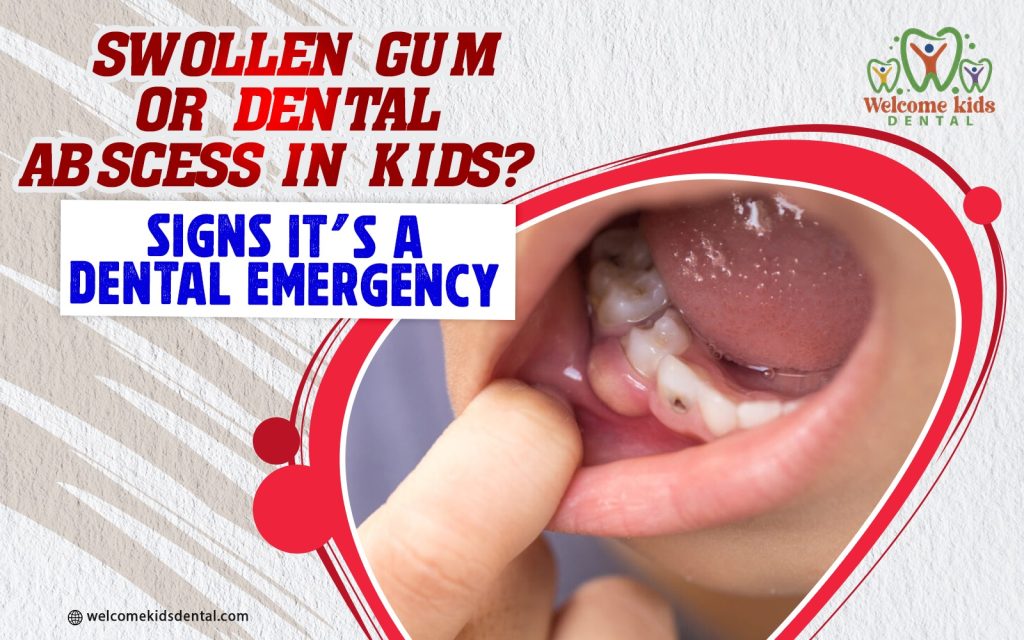
A swollen gum in a child may seem like a minor issue at first. Parents often assume it’s caused by food irritation, brushing too hard, or a tooth coming in. But in some cases, swelling around the gums can signal something much more serious, a dental abscess.
Dental abscesses are infections that develop inside the tooth or gum tissue. Unlike mild irritation that improves on its own, an abscess can worsen quickly and become extremely painful if left untreated. Because children’s immune systems and oral structures are still developing, infections can spread faster than many parents realize. One of the biggest challenges is that children don’t always explain dental pain clearly. Instead of saying a tooth hurts, they may avoid chewing, become irritable, wake up at night, or refuse certain foods. By the time visible swelling appears, the infection may already be advanced.
This is why recognizing early warning signs matters so much. Knowing when gum swelling is a true dental emergency can help parents act quickly, reduce discomfort, and prevent more serious complications.
What Is a Dental Abscess in Children?
A dental abscess is a pocket of infection caused by bacteria entering the inner parts of a tooth or the surrounding gum tissue. This usually happens when decay, damage, or bacteria are left untreated for too long.
There are two common types of abscesses in children:
- Infection near the root of the tooth
- Infection in the gum tissue surrounding the tooth
In both cases, bacteria begin multiplying inside an enclosed space, causing pressure, inflammation, and swelling. As the infection grows, pus may form, leading to increasing discomfort. Unlike simple gum irritation, an abscess typically does not resolve without treatment. In fact, infections often continue spreading beneath the surface even if symptoms temporarily improve.
Children are especially vulnerable because:
- Baby teeth have thinner enamel
- Cavities can progress more rapidly
- Young children may not recognize early symptoms
This is one reason why Pediatric preventive dentistry focuses heavily on identifying decay early before it turns into infection.
Common Causes of Swollen Gums and Dental Abscesses in Kids
Swollen gums and dental abscesses can develop for several reasons, but most cases begin when bacteria enter areas of the mouth they shouldn’t. Once bacteria move beneath the enamel or gum tissue, infection can develop quickly, especially in children, whose teeth are still developing. Understanding the causes helps parents recognize risks early and seek treatment before the condition becomes more serious.
Untreated Cavities
The most common cause of dental abscesses in children is untreated tooth decay. Cavities begin on the outer layer of the tooth, but when they are left untreated, the decay continues moving deeper inside. Eventually, bacteria reach the inner pulp of the tooth, where the nerves and blood vessels are located. At this stage, the body reacts to the infection by creating inflammation and pressure inside the tooth. This often leads to:
- Throbbing pain
- Swelling near the tooth
- Sensitivity while eating
- Difficulty sleeping due to discomfort
Children may not complain immediately because cavities often progress silently at first. By the time swelling appears, the infection may already be advanced.
Food Trapped Near the Gums
Food particles trapped between teeth or under the gumline can also trigger gum inflammation and infection. Sticky foods, popcorn kernels, chips, or candy pieces may remain lodged in hard-to-clean areas for long periods.
When bacteria begin feeding on these trapped particles, the gums can become:
- Red
- Puffy
- Tender to touch
- Irritated during brushing
If the area is not cleaned properly, the irritation may progress into a localized infection or abscess. This is especially common in children who struggle with flossing or proper brushing techniques.
Gum Injuries
Children frequently injure their mouths during play, sports, eating, or brushing too aggressively. Even small injuries to the gums can create openings that allow bacteria to enter the tissue.
For example:
- Scratches from hard foods
- Falls while playing
- Poking gums with toothbrushes or objects
- Irritation from sharp foods
Most small injuries heal normally, but when bacteria enter the area, swelling and infection may develop. Parents sometimes mistake this swelling for simple irritation, delaying necessary care.
Cracked or Damaged Teeth
A cracked, chipped, or damaged tooth creates a direct pathway for bacteria to move inside the tooth structure. Once bacteria reach the inner layers, infection can spread rapidly.
Children may crack teeth due to:
- Sports injuries
- Falls
- Biting hard foods or objects
- Playground accidents
In some situations, injuries requiring care from a Broken tooth kids dentist Oakland may eventually lead to infection if not treated promptly. Even small cracks that seem minor from the outside can become serious if bacteria begin entering the tooth.
Poor Oral Hygiene
Inconsistent brushing and flossing allow plaque and bacteria to build up along the teeth and gums. Over time, this bacterial accumulation irritates the gum tissue and weakens the teeth.
Children who rush through brushing or miss certain areas, especially back molars, may develop:
- Plaque buildup
- Gum inflammation
- Cavities near the gumline
- Increased bacterial growth
Without regular cleaning, bacteria continue multiplying, increasing the risk of both gum infections and dental abscesses.
Weak or Damaged Enamel
Enamel acts as the tooth’s protective shield. When it becomes weakened, bacteria can penetrate more easily into the deeper layers of the tooth.
Several factors can weaken enamel in children:
- Frequent sugary snacks and drinks
- Acidic beverages
- Teeth grinding
- Poor oral hygiene
- Inadequate fluoride protection
Once enamel weakens, cavities form more easily and progress faster. This significantly increases the risk of infection reaching the pulp and surrounding tissues.
These risk factors highlight why Cavity prevention for children is about much more than avoiding small cavities, it also helps prevent painful infections, swelling, emergency dental visits, and more complex treatment later.
Signs a Swollen Gum May Be a Dental Emergency
Not every swollen gum is an emergency, but certain symptoms indicate the infection may be serious and require immediate care.
Swelling Around a Specific Tooth
Localized swelling near one tooth is often one of the clearest signs of an abscess. The area may appear puffy, red, or tender.
Severe or Throbbing Pain
Abscess-related pain often feels deep, intense, or pulsating. Children may complain more at night because pressure increases while lying down.
A Small Bump on the Gum
Some abscesses create small pimple-like bumps that may release pus or fluid. This drainage does not mean the infection is gone, it usually means the infection is still active.
Facial or Jaw Swelling
If swelling begins extending into the cheek, jaw, or face, the infection may be spreading beyond the tooth.
Fever or Fatigue
Dental infections can affect the entire body. Children may develop:
- Fever
- Fatigue
- Irritability
- Reduced appetite
Difficulty Eating or Sleeping
Children with abscesses often struggle with chewing, drinking, or sleeping comfortably because of pressure and pain.
These symptoms should never be ignored. Prompt care is essential to prevent worsening infection and additional complications.
How Dental Abscesses Affect Children Beyond the Tooth
Many parents think of abscesses as “just a tooth problem,” but infections can impact much more than oral health.
Eating and Nutrition Problems
Pain while chewing may cause children to avoid meals entirely or eat only soft foods. This can quickly affect hydration and nutrition.
Sleep Disruption
Dental pain often intensifies at night, making it difficult for children to sleep properly. Poor sleep can lead to:
- Mood changes
- Difficulty concentrating
- Increased irritability
Emotional Distress
Persistent discomfort can make children anxious, clingy, or fearful about eating and brushing.
Spread of Infection
Untreated abscesses can spread to surrounding tissues, including the jaw and facial areas. In rare but serious situations, widespread infection may require urgent medical intervention. This is why emergency treatment matters. Addressing the infection early prevents small problems from escalating into more severe health concerns.
What Parents Should Do if They Suspect a Dental Abscess
Seeing swelling or signs of infection in your child’s mouth can feel overwhelming, but quick action helps.
Stay Calm and Assess Symptoms
Check for:
- Swelling location
- Fever
- Drainage or pus
- Pain severity
Keep the Area Clean
Encourage gentle rinsing with warm salt water if your child is old enough to rinse safely.
Avoid Home Remedies
Parents should never:
- Attempt to pop or drain the abscess
- Place aspirin directly on gums
- Ignore swelling hoping it will disappear
These approaches can worsen irritation or delay proper treatment.
Offer Soft Foods and Fluids
Soft foods help reduce discomfort while waiting for treatment.
Contact a Pediatric Dentist Immediately
Dental abscesses do not typically improve without professional care. Prompt evaluation allows the infection to be treated before it spreads further.
How Pediatric Dentists Diagnose and Treat Dental Abscesses
Treating an abscess begins with identifying both the infection and its source.
Comprehensive Dental Examination
The dentist evaluates:
- Swelling
- Tooth condition
- Gum health
- Pain location
Dental X-Rays
X-rays help identify infections hidden beneath the surface or inside the tooth roots.
Draining the Infection
In some cases, releasing trapped infection reduces pressure and discomfort.
Treating the Source
Depending on the situation, treatment may include:
- Fillings
- Crowns
- Removal of severely damaged teeth
- Additional restorative procedures
Follow-Up Care
Monitoring healing is important to ensure the infection resolves fully and does not return.
Because children often feel nervous during emergency visits, gentle communication and comfort-focused care are extremely important during treatment.
Can Dental Abscesses Be Prevented?
The good news is that many dental abscesses are preventable with early care and healthy habits.
Treat Cavities Early
Small cavities are much easier to manage before they progress into infections.
Maintain Consistent Brushing Habits
Daily brushing and flossing help remove bacteria before they cause damage.
Limit Sugary Foods and Drinks
Frequent sugar exposure increases bacterial activity and decay risk.
Schedule Regular Dental Visits
Routine exams and Children’s dental cleaning in Oakland allow dentists to catch small concerns before they become emergencies.
Protect Teeth From Injuries
Sports mouthguards and early treatment for chipped teeth reduce infection risks linked to trauma.
Preventive care remains one of the most effective ways to avoid painful emergency situations later.
How Welcome Kids Dental Helps Children During Dental Emergencies
When a child develops swelling, pain, or signs of infection, parents need fast answers and compassionate care. Welcome Kids Dental focuses on providing prompt, child-centered treatment during dental emergencies.
The team understands that emergency situations can feel stressful for both children and parents. That’s why the practice prioritizes:
- Quick evaluations
- Gentle treatment approaches
- Clear communication
- Calm, supportive care environments
Children experiencing severe discomfort often feel anxious during emergency visits. The welcoming atmosphere helps support Dental anxiety treatment for kids, allowing children to feel safer and more relaxed throughout treatment.
The practice also focuses on helping parents understand:
- What caused the infection
- How treatment works
- How to prevent future emergencies
Beyond treating immediate symptoms, the goal is long-term oral health and prevention. Through preventive guidance, early care, and ongoing monitoring, Welcome Kids Dental helps families reduce the risk of future abscesses and dental emergencies.
Conclusion
A swollen gum may seem minor at first, but in some cases, it’s the body’s warning sign that a serious dental infection is developing. Dental abscesses can progress quickly in children, which is why early recognition and immediate care are so important.
The key is knowing what symptoms should never be ignored, persistent swelling, severe pain, facial swelling, fever, or difficulty eating are all signs that your child needs prompt dental attention. By acting early, parents can prevent infections from worsening and help their child avoid unnecessary discomfort and complications. Regular preventive care, healthy habits, and routine dental visits all play a major role in protecting children from these painful emergencies.
When it comes to dental infections, waiting rarely helps. Fast action, professional care, and early treatment make all the difference in protecting your child’s comfort, health, and smile.